The light in the dark

The ravishing Penelope Cruz stars in the Spanish film, Volver, which can be categorised as a ghost story, yet so full of colour and warmth. Penelope Cruz was perfect for the role of Raimunda, incredibly beautiful with the most expressive eyes yet she remains down to earth exuding a charismatic personality to the viewers. You’ll fall in love with her in an instant. Casting her was a great move as she is acting in the culture of her own. 

Volver means “to turn over” or to “turn upside down” in Spanish, this is greatly manifested in the narrative with regards to Raimunda and Sole’s mother coming back and how Raimunda turns her life around after a series of adversities. Raimunda is put to the test as life brings her to different directions, and yet we see her conquer each one in the movie. She had trouble providing for her family because of her husband, Paco, who kept losing his job, and she had no choice but to work extra hard, working multiple jobs day. The audience tries to empathise with Raimunda in the obstacles she is entangled in.
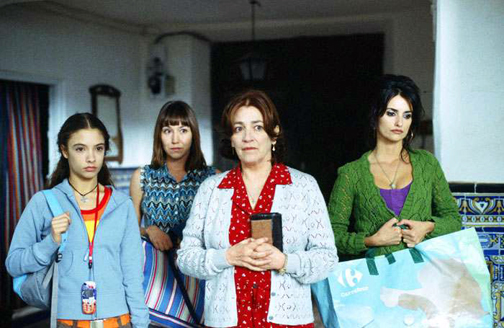
Women are widely represented throughout this melodrama, giving us an overview of the many patriarchal views on women in Spain, as experienced by Raimunda and her teenage daughter, who was raped by her husband. The movie also tackled many poor aspects of humanity such as discrimination of women and sexist remarks. However, these women are portrayed to be strong, independent and empowered despite the obstacles and predicaments they are faced with. It pays homage to the important women in our lives and how vital their roles are. We see Raimunda’s character evolve as she is faced with these challenges. 
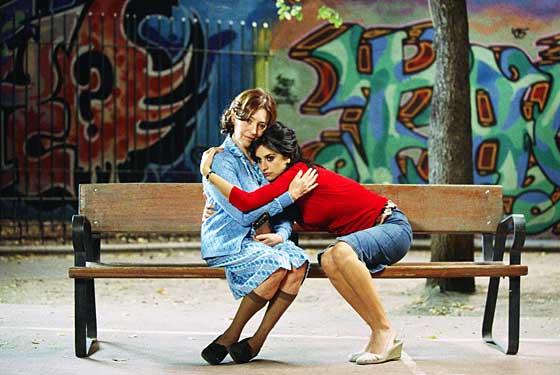
This movie reminds me of the typical, conventional plot lines that could be watched on local modern day television. It explores different moods, big revelations and complex relationships. The film does not even put a spotlight on romantic love, rather it depicts a different kind of love— the love of parents and children. The significance of familial relations is evident in the movie where they visit their late parents and clean their graves, spend time with their ill aunt, Paula and their strong relationships with each other. It has heart wrenching scenes, it deals with many family dynamics, abandonment and of course, death. However, it deals with these tragedies quite lightly portraying it to the audience with exuberance.

Volver reminds us of the feeling of coming home, or the feeing of nostalgia. In order to find solutions to the present, the women have to return to their dark pasts and overcome them one way or another. In the face of lost and triumph, we see these women try to defy their misfortunes, find solutions to their problems through reunion and reconciliation and prosper in the process as the movie closes. 

162622
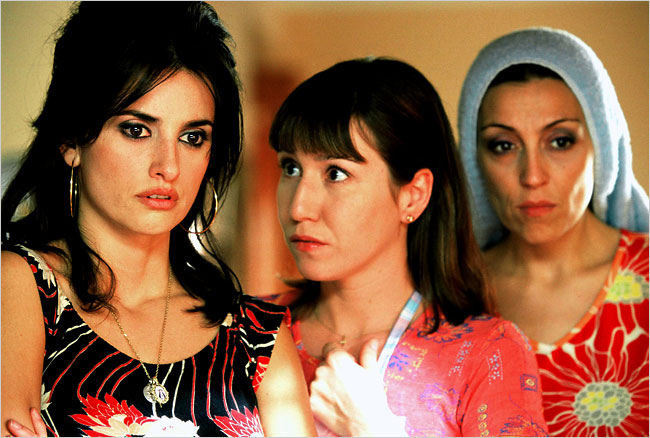
Volver: returning to how things should have been

Volver is a film that takes me back to the time when I was an eleven year old girl, sitting in my kitchen, watching the latest Spanish teleserye on a miniature cable television set after school. Its familiar archetypal elements such as the evil stepfather, ghost of a grandmother, digging of a grave in the middle of the night, and some sort of a family confession and reunion at the end– these things lead me to forget that I was in some sort of European art film class because everything was so close to my cinematic knowledge.

03volv.1.650.jpg

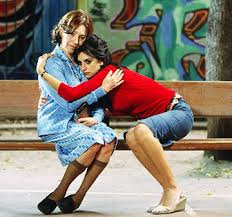
While Hollywood films usually cast women in roles that could be  complementary with men or soapy teenage chick flicks and romantic comedies, this film showcases a mix of natural realities and peculiar ones that middle class women in Spain go through. A close shot on the widows from the beginning of the film showcase the Hispanic culture of females having the responsibility to maintain and polish the tombs of their departed. This emphasizes the societal role of women as domestic. Moreover, it is seen in the film that the women were battling machismo. Sexual abuse was rampant in their very own homes and the female characters exhibited their courage and strength to face these trials. Irene talks about how the women in their family possessed really bad luck with men and they realized that they do not need them because all that matters is that they have each other.

Penélope Cruz, plays a great breadwinner carrying the weight of not just her own household but that of her sisters and cousins. Despite the hundred percent sensuality that she exhumes, given her appearance, the strength of her chacter showcases her defiance to sexuality, given that she gives pertinence to what truly matters which is her family’s everyday survival. Almodovar shows how women can possess both beauty and strength, not only in the exterior but most especially, intrisically.

images.jpg

Raw cultural elements were seen in the film, celebrating Hispanic traditions and close family ties. Moreover, the various characters show their way of evolving not just as women apart from their men but solely, as people in society that play a role in their neighborhood where they have contributions be it in a business perspective or in a relational view. 

Initially we see tensions building up between the characters as repressed angst have been going on throughout the years. As time passed in the plot, it is revealed that all of these characters have been yearning for the love that has been kept inside and the audience can give out a contented sigh as there is closure at the end of the film (a pro-mass ending similar to teleseryes that usually do not give ambiguous finalities)

Volver plays uniquely on the relations of these women, showcasing the values instilled within these women as pillars of strength, carrying the family and keeping it together, relaying a positive message that there is light and hope in familial togetherness and individualistic empowerment despite the challenging rein of masculinity in their environment. 

-161997-


Volver: Femininity at its Finest

Volver is a slap on the face of machismo in Spain. In a country known steeped in machismo, a film that tackles femininity through the daily problems of a typical family can seem quite odd at first. It can even be compared to mainland Chinese being expected to teach other people how to use Facebook when they are banned from using Facebook themselves.

However, Volver successfully captures the essence of feminism shockingly well. Its dark but funny script makes for a memorable experience that women from all corners of the world would surely find enjoyable.

Volver_2_cropped_crop

The female characters in the film prove that it is possible to exude strength and power even in a society where women are taught to stay home, sit pretty, and satisfy their husbands’ sexual desires. In fact, Raimunda does the exact opposite of all these things. Being the best mother she can be, Raimunda works to support her daughter, Paula. She even rejected her husband, Paco, when he came on to her one night. Perhaps because of this unmet sexual need, Paco chose to force himself on Paula. But we all know this was a stupid move done by him which cost him his own life. Well-deserved, if you ask me.

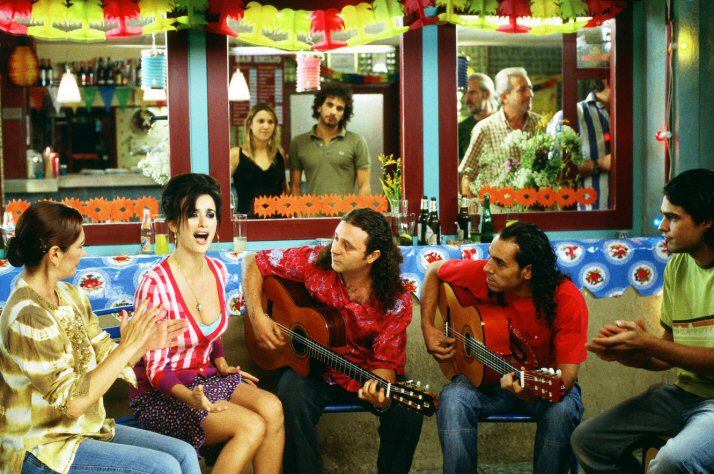
volverAfter Paco’s death, Raimunda’s life changed in a good way. She did not just become the head chef of a restaurant, which she became very passionate about, she also became a happier person– singing with a band on a random Spanish street. Without a doubt, the male characters in Volver were antagonistic, unreliable, and useless. Raimunda’s father did not just rape her, he also cheated on his wife with a different woman. Aside from this, Sole’s husband left her without notice. And as we already know, Raimunda’s husband lost his job and then attempted to rape his own daughter.
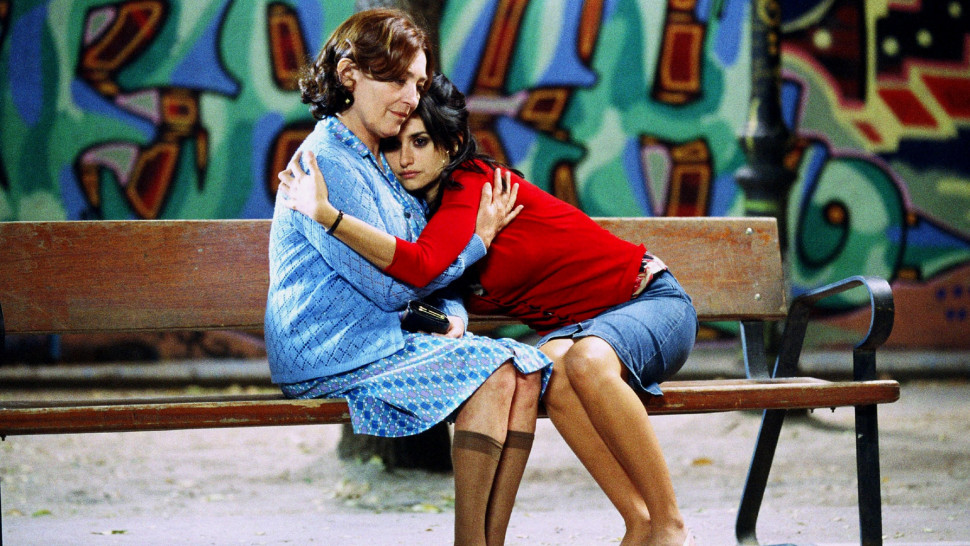
film__3144-volver--hi_res-fa2b66bbUltimately, the way the male characters slowly eased out of the film and were not really given much attention to shows how they don’t really have that much importance to the women they left behind. A sense of sisterhood and of female togetherness were enough to support one another and carry on with their lives in flying colors.
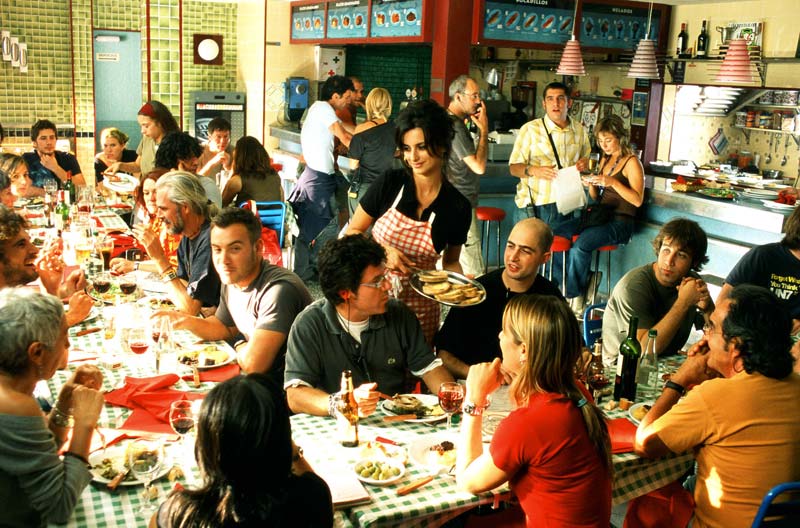
volver-restaurant-scene

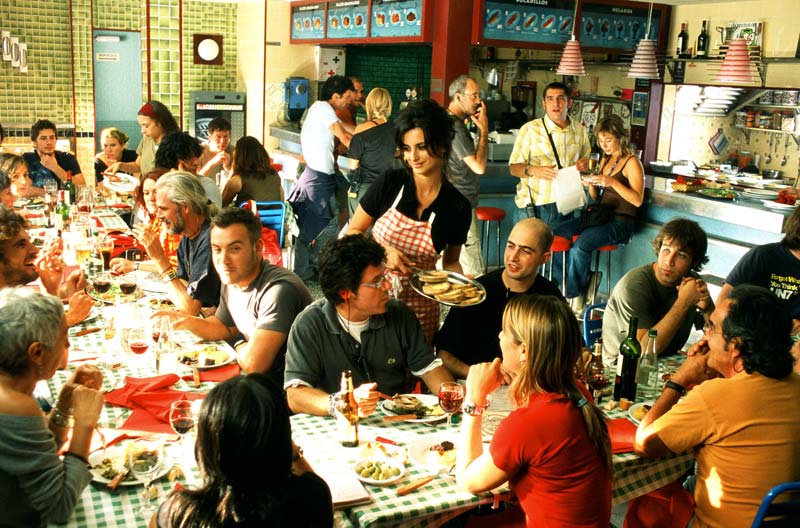
Moreover, there were a lot of topics present in the film, including incest, sexual abuse, and motherhood. Aside from these, I believe that self-fulfillment was also an important factor which contributed to the women’s identities. Although women were not supposed to work, Sole had a successful salon hidden in her apartment, which she enjoyed very much. Besides this, Raimunda’s restaurant was a hit to her customers, which brought her great achievement. This says a lot about the significance of finding something that you are passionate about, which can also define you as a person. I can relate to this as my philosophy in life. For me, it’s not enough to merely survive, you also have to make something of yourself in order to live. How Sole and Raimunda were able to do this in a society which restricted women from doing so explicitly demonstrates women empowerment. Above all, Sole and Raimunda give me hope that if they were able to become successful women given the society they were in, what more, I?

Volvere: A Mother’s Love Reaches Beyond Death

The first impression I had coming into this film was that it would be your typical Spanish supernatural horror film, with its culture surrounding death so heavily. The first few scenes took place in a graveyard, and several conversations later we learn of the death of the main characters’ mother. I never thought that this film would be about something deeper and more complex, and actually be a commentary on the lives of these Spanish women. Never would I have thought to be so immersed in these people’s experiences, and relate to them in a way only real people could.

The issue in particular that this film tackles in such an unconventional way is the theme of sexual abuse and the oppression of women. It is not easy living as a woman in Spain, as the characters went through traumatic experiences at the hands of men—and these men are their husbands and fathers. These women aren’t even safe in their own homes to experience such harassment and abuse from the very people that are supposed to protect them. It is sickening to think of, and so one can’t help but root for the main characters as they go on crazy lengths to cover up their wrongdoing.

But even though this prevalent and heavy issue was seen throughout the movie, it was still very light and enjoyable when it needed to be. It wanted to emphasize the Spanish culture and influence, especially when it came to superstition. It played around with the characters’ belief that Irene, Raimunda’s mother, came back from the dead, especially in her first few interactions with Sole. Even when the two were having a sentimental moment, Irene broke it up by saying, “Don’t say that, Raimunda, or I’ll start crying. And ghosts don’t cry,” to get a laugh out of it.

Lastly, one of the big themes in this movie was the pains of motherhood. Mothers have to work twice as hard, especially in developing or third world countries. The gender roles are still very prevalent there, and the women are expected to do well in their jobs outside and inside the house. This leads them to less time with their families, and an overwhelming sense of exhaustion. Nonetheless, the mothers in this film show us what true love is about. Raimunda wanted to protect her daughter, Paula, and got rid of her husband’s body. Irene went to the countryside and burned down the house that Raimuna’s father and his mistress resided in. One would think of these as insane, but it all came from a mother’s love and their capacity to understand their children’s situations. No one would want to live knowing their daughter was raped or sexually assaulted, and they would do anything to protect their child.

Clouds On Sils Maria: Art Imitating Real Life, And Vice Versa

The beginning scenes of Clouds On Sils Maria immerses the viewer into the life and perspective of a personal assistant to a middle-aged, high-class actress. At first, everything seems as if they have an ultimately professional, yet close, relationship, but the movie turns this around after a few brief interactions. We get to delve deeper into the main characters’ emotions, thoughts, and attitude towards life because of the circumstances they are put in, much to the parallel of the plot of Maloja Snake. Many symbolisms and subtle dialogue were placed by Assayas, and this gives the film its many layers and makes you want to solve the mystery of the two characters’ minds.

First, I really enjoyed the parallelisms that the film had with the play Maria Enders starred in, Maloja Snake. As the tension grew between the characters, both emotionally and sexually, one would be confused as to the dialogue being real or just simply being read off of the Maloja Snake script. As Valentine put it herself, “It’s theatre. It’s an interpretation of life. It can be truer than life itself.” We get to see this tension start when Valentine talks of Jo-Ann Ellis, and how fond she is of her acting. Maria reacts quite violently and even asks Val, “What do I need to do to make you admire me?” It is clear that Maria wants the affection and attention of the latter, and maybe part of it is reciprocated, but not enough for her to stay. And just like the end of the play, her object of her affection leaves her in the dust with no remorse or closure.

But the film also talks about the art of acting and how it takes a toll on the actors. Whether film stars or theatre actors, each one puts in their own emotion and experiences into the character and they make it their own. For Maria, a part of her always wants to be Sigrid because a vital role in her teenage years was playing the seductress in Maloja Snake. She wants to stay the youthful, inexperienced, reckless person that Sigrid is, but to her dismay, she actually morphs into the character of Helena. Maria even says to Klaus, “I played Sigrid in ‘Maloja Snake’ when I was 18. For me it was more than a role, and… in some way I am still Sigrid.” Actors have this sense of ownership when it comes to their roles, some even to the point of endangering their physical and emotional well-being to portray the part correctly. This is true for most method actors, and we get to see that their characters really affect the rest of their life.

Ultimately, I think it is safe to say that the film touches on many themes throughout its duration. It talks about unreciprocated love, desire, youth, and life as an actor. But it really makes one want to take a step back and think about these and critique them. None of these characters were exactly likable or perfect, but that’s because this film stayed true to the facts of life. Nobody will stay youthful forever. Not everyone that you desire and chase after will reciprocate that affection. Not everyone in your life is meant to be there forever. And that’s all okay. This film teaches us that life goes on, and all we can do is learn from our experiences.

Clouds of Maloja Snake

The film Clouds of Sils Maria is a very interesting film with an interesting turn of events. I admire their play on the role reversals of the character Maria who in her youth, played Sigrid who in the play manipulated an older and more vulnerable woman Helena. Now, years later in a remake of the play, Maria is asked to play the character Helena. Now this is an interesting plot all on it’s own but it is even more beautifully portrayed in the film because it is also reflected in the real life of Maria as she takes on an assistant by the name of Valentine who also in a way is the Sigrid to Maria’s Helena in the analogy. However, Maria sees herself still as the same persona type as Sigrid and really despises Helena’s character persona.

The new director of the remade play, Klaus Diesterweg sees an ageing and problematic Maria who seems vulnerable and perfect for the role of Helena. In the original play, the woman who played Helena, Susan mysteriously died in a car crash after the play’s success. Now many years later, Maria holds a superstitious belief that the reason Susan died was because she played the character Helena. You can see the relationship between Valentine and Maria grow as they are somewhat fond with each other but in the end of the day, Val is still employed by Maria and generally, her ideas aren’t as respected by Maria.

The ending of the film really spoke to me as it alluded to the end of the play Maloja Snake. In the play, Sigrid convinces Helena to commit suicide by going to the mountain. Now what gets really interesting is that the director Wilhelm is also said to have committed in the same mountain. Now with all that in mind, it seems as if Val left Maria in the mountain to do the same? This part was unclear. But as an ending to the film, it did a great job for leaving room for open interpretation.

Thirteenth

Volver by Pedro Almodóvar

Volver revolved around the lives of a family of women, Raimunda (played by Penelope Cruz), with her sister Sole (played by Lola Duenas), her daughter Agustina (played by Blanca Portillo), and their mother Irene (played by Carmen Maura) as they deal with everyday family issues and problems with a little side of murder and so called resurrection. The story was full of surprises and twists that were very ‘only there for the shock value’ sort of things in my opinion. Yet beyond that I truly enjoyed the film and the colorful world that it presented. What was so different from the other films that we watched for the class was how familial the themes of the movie were. It was also nice to have a very female centered empowering family oriented one at that. I also enjoyed the setting because it was different from the very cold and vast earthy environments that were used in the other films. The movie was set in a somewhat suburban and colorful environment which I enjoyed.

The plot though very dramatic with incest, murder, and arson were all quite heavy yet the movie’s tone was one that was light and simple to understand. At the end of the day what was important was the bond of these women and how they were able to rise up even with these issues setting aside their differences towards forgiveness. In a sense the movie was like ‘coming back’, returning to what once was that is familiar and safe. And what other way to feel this comfort than with your family? With women who have raised you to help inspire you to be who you are today. What was so interesting about this is that even with the family confessing all these things and having there mother somewhat come back from the dead, they do not seem to bother that much about and continue on. The love and respect I had for these women! They had to go through so much trauma and pain but they still stood up for themselves and took life by its balls and just went on! Raimunda got that restaurant even with having to suffer abuse from her father and her horrible husband. Irene got to confess to her daughters and be free from the guilt and be able to atone for the sins she committed.

Over all I really enjoyed this movie and the importance it gave to family. That we can be able to forgive and move on from the past to repair and create a better future with the people that we love. Although I wished there was more to the end other than the promise of Raimunda and Irene to fix their relationship but to actually see it happening would have been a very nice way to wrap everything up. In the end I highly recommend this movie for the plot and the great acting. Also especially with us Filipinos having a very high value on family and our relationships.

Twelfth

Clouds of Sils Maria by Olivier Assayas

I absolutely ADORED this movie. I never really expected to enjoy this so much but I really did. Although the plot may be simple enough, a middle aged actress named Maria Enders (portrayed by Juliette Binoche) comes back into the foray by playing the older lover (Helena) in a lesbian drama (Maloja Snake) wherein back in the day she played the younger lover (Sigrid) who will now be played by the troubled and scandalous young actress Jo-Ann Ellis (portrayed by Chloe Grace Moretz), there was so much more to the story that went beyond. Out of all the very dramatic and somber toned movies that we watched, I think I enjoyed Clouds of Sils Maria the most.

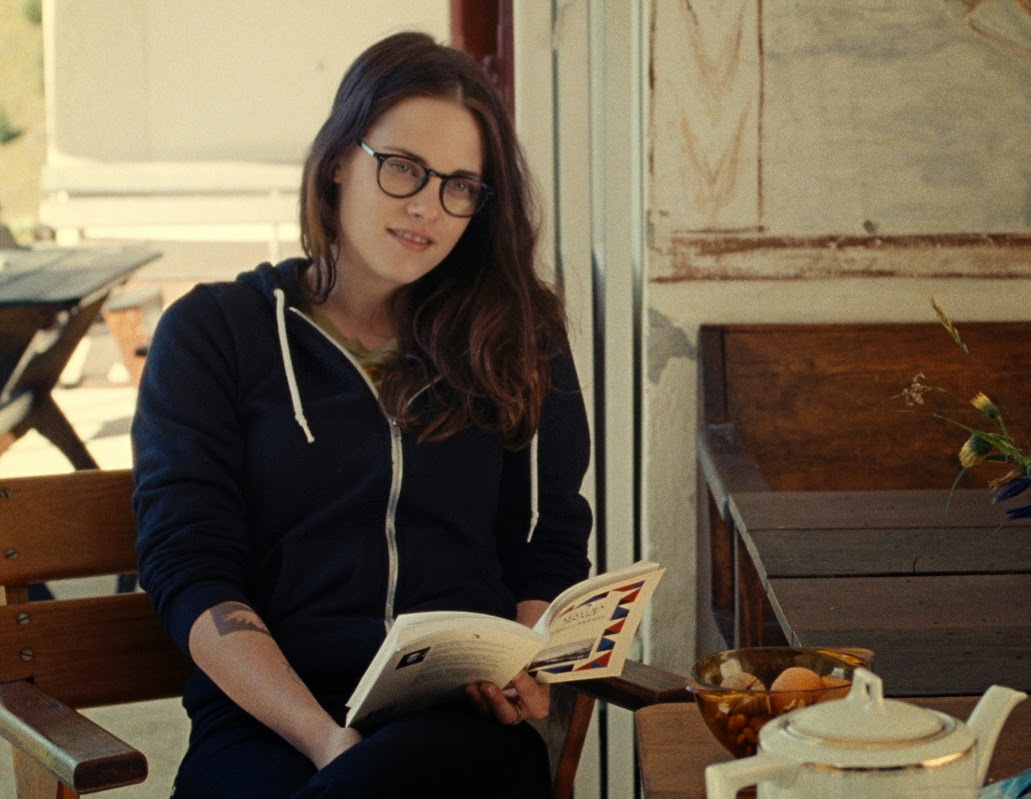
Watching the relationship of Maria and her assistant Valentine (portrayed by Kristen Stewart) unfurl made the movie worthwhile for me. The tension albeit sometimes sexual was evident and there were many times that I wanted to scream at the both of them to just kiss or do anything to confess what was really going on between them. As Maria was preparing for the role she would often ask Valentine to help read lines with her but then all of a sudden it felt as if both the things they were saying as mere characters of the play and their true selves as actress and assistant started to blur together. It was obvious from the beginning that Maria did not want to play the cynical, old lover that was Helena because she could not let go of herself as Sigrid who is young and more full of life. Yet Valentine tries to help her see past that because change is inevitable and something that should be embraced. After all the tension which broke into a huge fight ending on the mountains towards Maloja’s Pass to see the snake like clouds pass between the mountains. Valentine disappears and is never heard of in the movie again. The scene after there huge fight wherein the movie beautifully showcases the passing of the clouds and the beauty of it all was absolutely breath taking. The story then jumps to the nearing of the play wherein somehow Maria has realized that change is inevitable even if she was still somewhat stubborn about it in trying to change Jo-Ann’s acting technique. Yet it was so subtle, the change in Maria herself but it was there.

In the end, I highly recommend the film as it tells the story of these women and change so elegantly and all in all it was just so classy to me for some reason in the best way. Juliette Binoche played the character so well, making you sympathize and root for her all the way and I hope to watch more of her films in the future. Shockingly enough as well I did not know Kristen Stewart could play a role as well as this since I’m coming from someone who did not enjoy the Twilight saga movies. With that aside, I loved this movie a whole lot and will definitely suggest this to my other cinephile friends.

Eleventh

Heavy Trip by Juuso Laatio and Jukka Vidgren

“Other guys can play hockey and drive around chasing pussy. We play metal.” Turo narrates to the audience as his band plays hard core metal in the basement of one of his band mates. I’m pretty sure that describes a whole lot of the movie from just that line in the beginning. Heavy Trip is a great film that had me laughing and having a whole new respect for heavy metal bands (but something I still would not listen to in my free time however).

Seen as homosexuals, hippies, or even drug pushers by some, Turo Lotvonen, Pasi, and Jynkky are so much more than that. They go beyond the stereotypes of who they are physically, a heavy metal band whose members have long hair that has not taken a shower in x amount of days. Their story of going from a bunch of amateur musicians playing “symphonic, post-apocalyptic, reindeer-grinding, Christ-abusing, extreme war pagan, Fennoscandian metal” in a basement above a reindeer slaughter farm to going on an adventure with a mental institution patient that they busted out and a dug up coffin of a dead body (spoiler: it was Jynkky’s) to play at a Norwegian music festival as a band named “Impaled Rektum”. Going beyond all the crazy events and funny mishaps that the band goes through (such examples being Turo wrestling an animal, maybe a possum? in a local zoo or him having intense stage fright that leads to some very violent puking) the movie has a whole lot of heart and gives a win for the underdogs. The protagonists have a whole lot of passion and love for what they do even with people judging them and only seeing them negatively. What’s so wrong if their ‘thing’ just so happens to be playing heavy metal music? They are proud and free enough to do what they want and chase after their dreams no matter what obstacles stood in their way, sticking it to The Man and also for Turo’s case, getting the girl. In the end although they did get arrested just as Turo said, it is not the end of their band, ending the movie with a sense of hope for the future of Impaled Rektum.

I really enjoyed this move. It was really funny and light hearted compared to the intense and deep plots that our previous movies had. In a sense there was not anything ‘heavy’ about the movie at all except for the music itself. The plot was nothing but light, enjoyable, and easy to follow. The kind of comedy that although slapstick and kind of crazy it still made sense for the characters to follow through with it. It kind of reminded me of the movie “Almost Famous” that it also followed a somewhat up and coming rock band (but in the eyes of a teenage journalist who became their somewhat groupie). Over all I give this movie two thumbs up and would highly recommend even if you were not a heavy metal enthusiast.

Clouds of Sils Maria: an Eyegasm

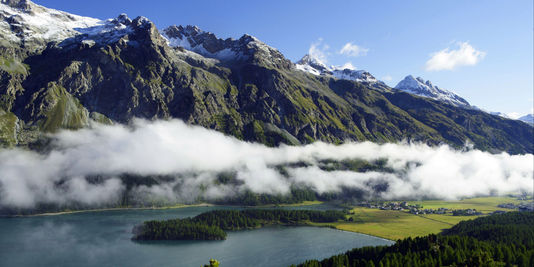
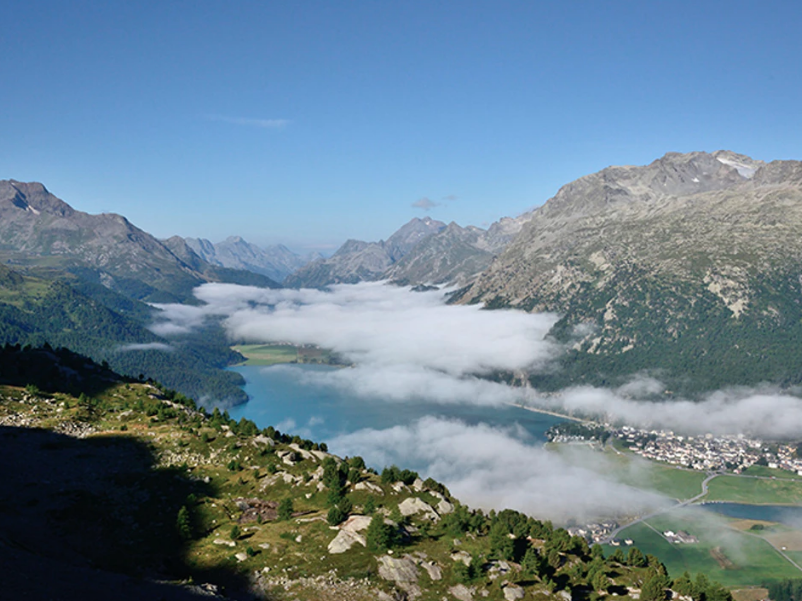
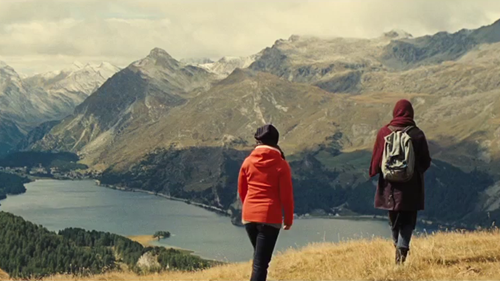
The Clouds of Sils Maria, I can say, was a different experience. It was very obvious, for me, why it is considered an art film. The beautiful sceneries that were shown in the film, as well as production elements, such as the set design, lights, camera angles, shots, etc., all worked together to form an eyegasmic masterpiece.

4480822_3_e877_ill-4480822-ccf5-rea-221352-001_0cbc6f79e9abbfc80e979c2b7e4410e4Featured Image -- 2160cloudsJust by looking at the pictures…seriously, wow!?!!!
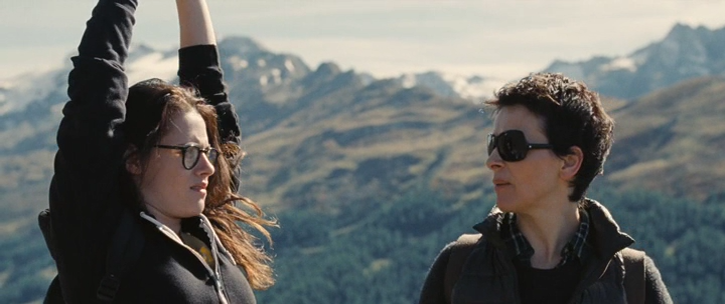
101101337_o

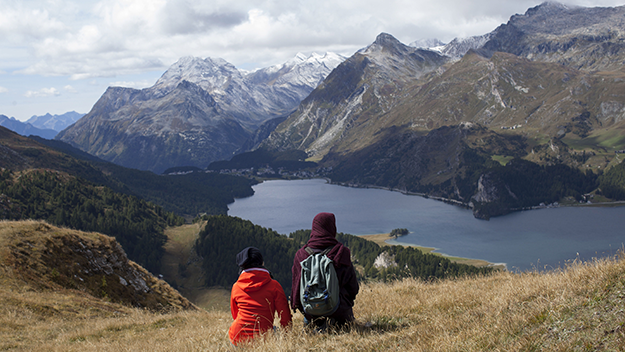
silsmaria2For someone who loves traveling and seeing nature, like myself, The Clouds of Sils Maria can never go wrong. I really felt as if the film brought me to Europe, where the characters were, but my aching back from slouching while watching the film reminded me that sadly, I was still in the Case Study Room of the Social Sciences building. So, I made a promise to myself that if ever I get the chance to visit any of the 3 countries that they shot in, Germany, Switzerland, or Italy, I would surely visit the sights that I saw, most especially the “snake”. But unlike Val, I hope to not mysteriously disappear.
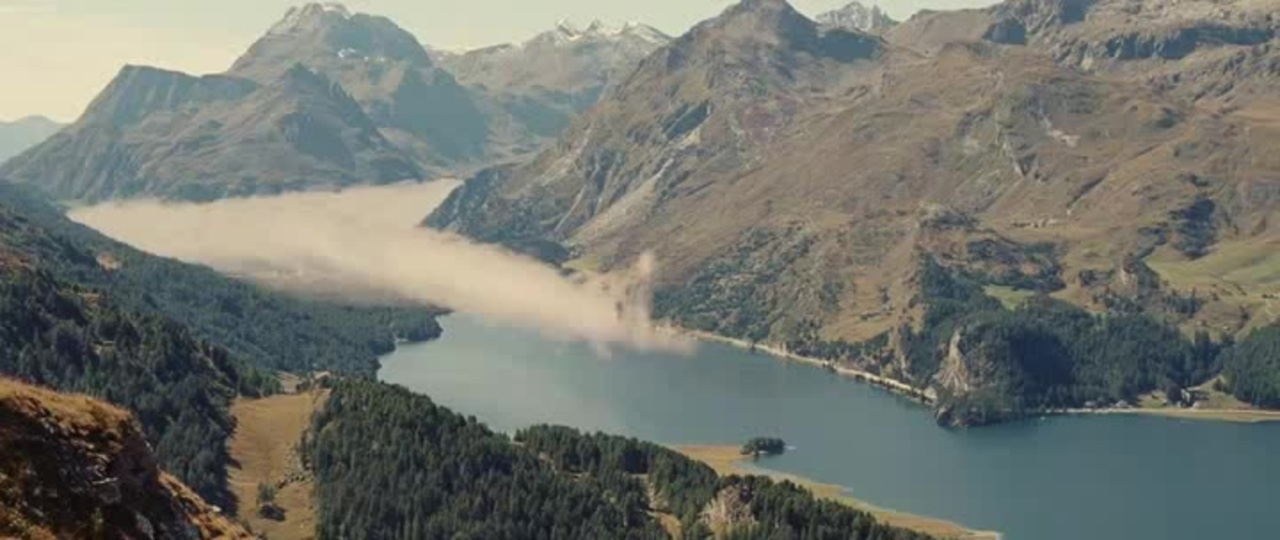
In a way, the film reminded me of Michelangelo Antonioni’s L’Avventura (1960). Despite the lack of closure and explanation for the characters’ disappearance, I still enjoyed the film in its entirety. The landscape and nature shown were very appropriate for the film. I liked how there was an extreme manipulation with the clouds, that despite the big drama caused by Val’s mysterious disappearance, I somehow found myself at peace while watching the clouds pass through the mountains.

big_1474832290_image

The film touches up on a lot of interesting topics. I really liked that the film had a meta 3-part style that shows the changes in age and maturity of the characters in each part. As someone who wants to be in the show business and coincidentally afraid of getting old, I can say that the film scared me a little bit. From being the star in people’s eyes, who everybody adores, to not being the star and just staying in the background, Maria Enders’ life reflects the painful truth in the industry. Celebrities come and go, and they become has-beens. One day, people like you and the next day, they don’t. But, you have to accept that.

CloudsSilsMariaKSHowever, I enjoyed the constant exchange of lines between Maria and Val while rehearsing for Maloja’s Snake. It was fun to watch especially because it reminded me of how my sister and I practice her lines for her movies. Although, the tension between Maria and Val while rehearsing for Maria’s lines became confusing, for me. Maybe it was because of the hints of lesbianism within both sets of characters: Maria-Val and Helena-Sigrid. Just like in Holy Motors (2012), there were times when the distinction between acting and real life became unclear. Somehow, Maloja’s Snake came to life and reflected the reality of Maria and Val.

I can understand why this film received so many awards. The awards, the story, and the underlying messages of the film prove that Clouds of Sils Maria is worth the watch. And that indeed, Clouds of Sils Maria is a masterpiece.