
Timecrimes has undoubtedly become my favorite film in this class so far. The premise and concept of time travel set is not a new concept, and extends over a variety of different genres – i.e., the action genre, as seen in Arnold Schwarzenneger’s Terminator (action), or even to that of drama and romance such as Rachel McAdam’s The Time Traveller’s Wife. Timecrimes, thus, delves into the thriller/mystery genre with respect to the central theme of time travel.
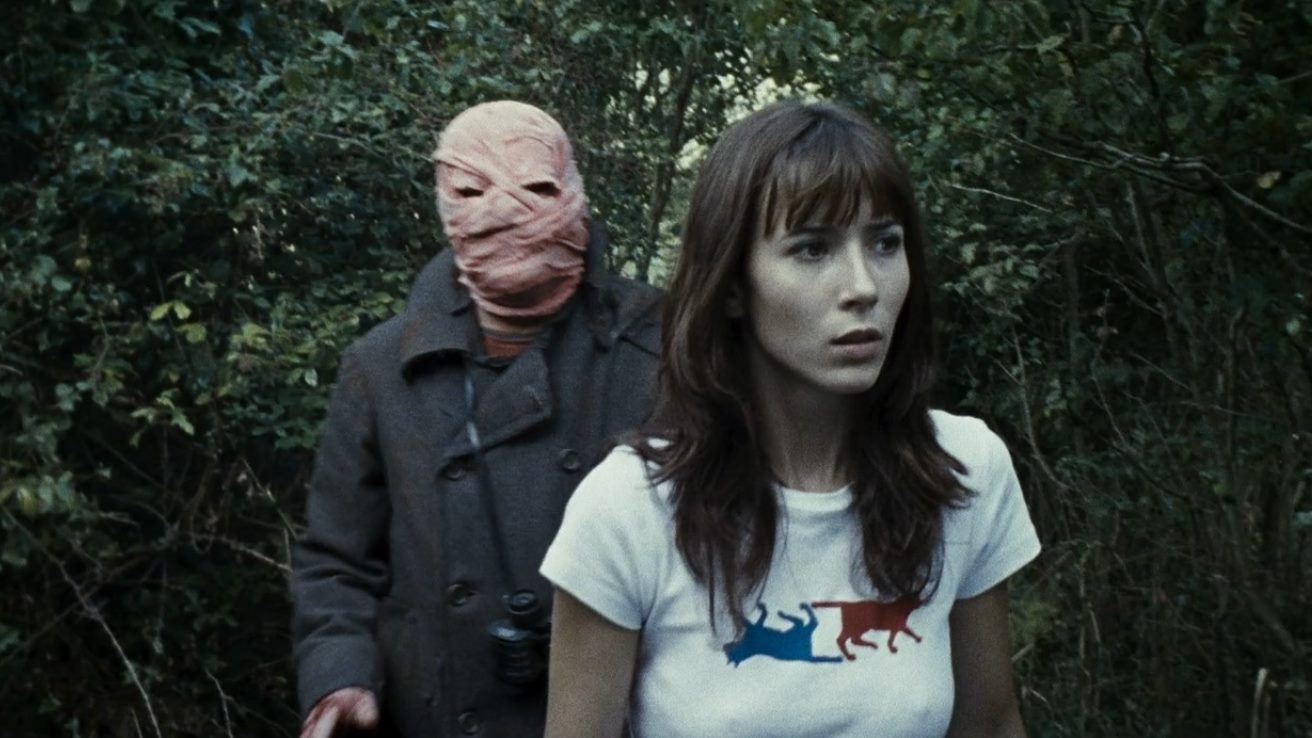
It was quite interesting to learn that Timecrimes is actually a low-budget film. It may be said that given its limited funding (approximately $2 million), the film delivered its intent – to create a thriller, to keep its viewers on the edge of their seats, to create a storyline that, while not the most original, still did not fail to garner interest and was distinctly unique in its own way. Even the rather simply-looking time machine – something conceived of as futuristic and implies the need for a higher budget – was integrated well into the storyline to explain its simplicity and also compensate for the lack of funding. Timecrimes is a testament to how an apparent incompatibility between a film’s budget with regards to its genre need not necessarily equate to a bad film. Another example of this is their use of a simple pink-tinged bandage for Hector 2 – a prop not in the least bit expensive, yet nonetheless creepy and rather frightening.
Furthermore, going into the more technical aspects, what I noticed in the film was its masterful background track and its use of music to further heighten and evoke specific feelings from viewers with regards to what is on screen – a start constrast from Trollhunters, which featured a distinct lack of non-diagetic sound. Both films are low budget, thus requiring them to rely quite heavily on other aspects of film in order to compensate for an apparent lack in another. Trollhunters used the found footage style film in order to equate for a lack of music (assuming a majority of the budget went to the CGI-animated trolls), while Timecrimes went the opposite direction, investing heavily on elaborate music and non-diagetic sound in order to compensate for a lack of stunning, high-technology, or even simply decent visuals that a film of its genre usually requires. I thoroughly enjoyed the film. The concept of time travel is so universally appealing – the idea of being able to go back in time, forward, or to reenact certain events – all dictate the human being’s desire to delve into the impossibilities of life. Film is a way for us to delve and experience vicariously the “What if’s” of life that real living will never be able to grant us.
 With a low budget, a complex plot, a simple execution, and an unpredictable story line, Timecrimes easily became one of my favorite films that we have watched this semester. Despite being a low-budget film, they still made it work as it does something interesting with their take on time travel as a thriller/sci-fi/suspense film. I found myself really hooked in the film as the plot twists and turns during the movie really made it unpredictable, which I really enjoyed.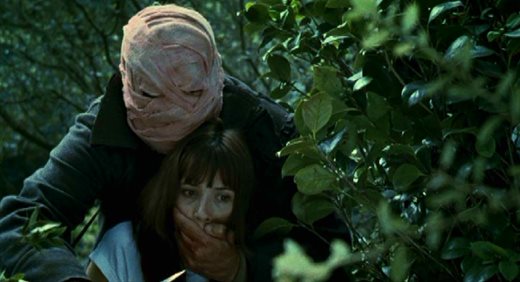
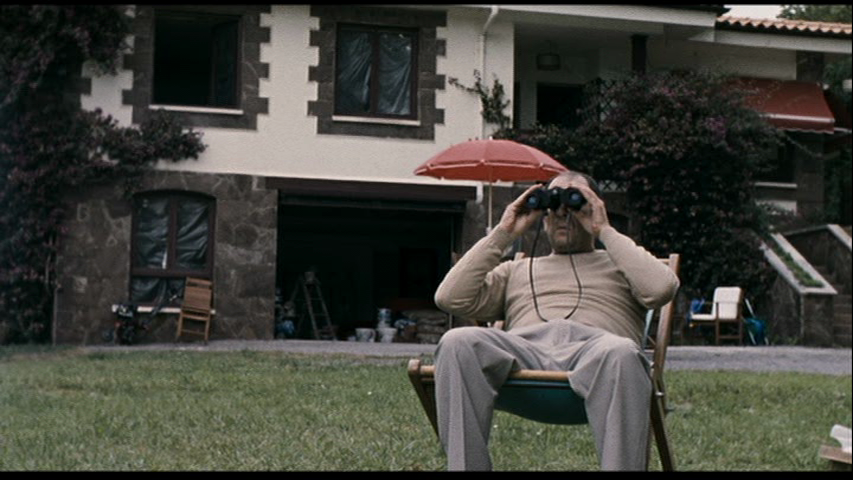
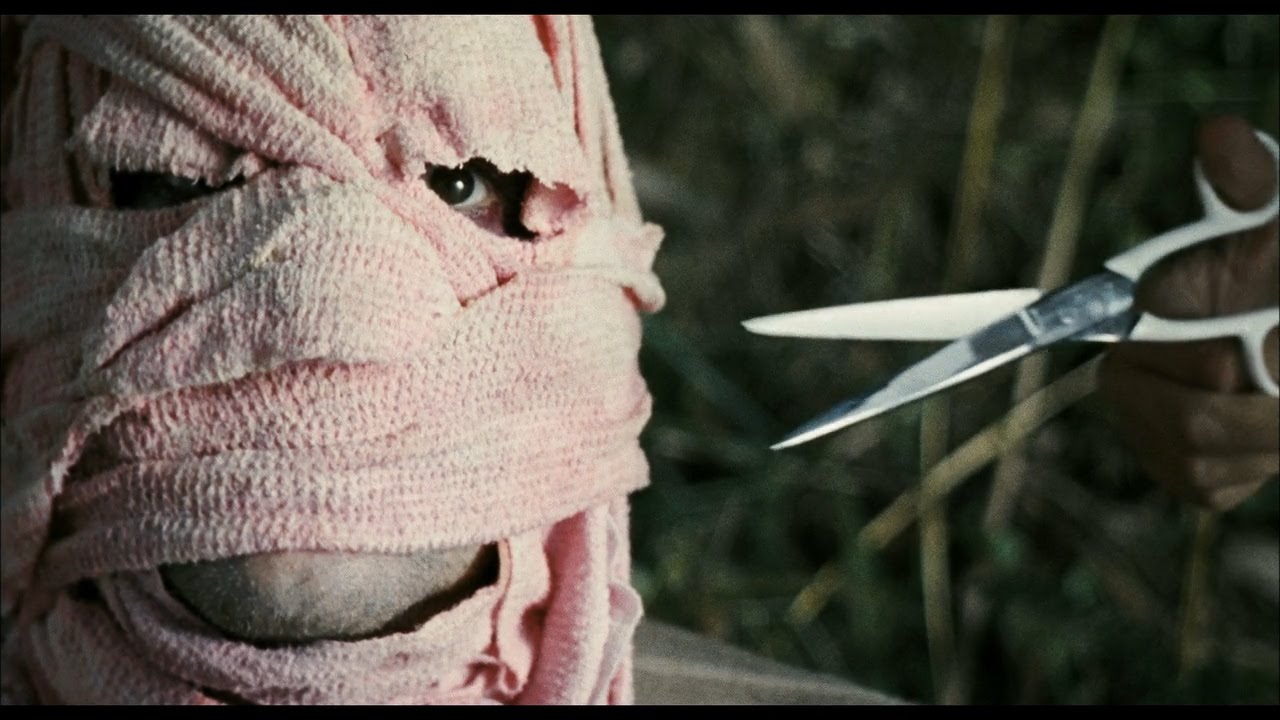
 How the movie turned out eventually was not really what I was expecting at the beginning. There was no sense of adventure at the start of the movie. Having an old man with a big stomach who likes lounging on his deck chair, and has sexual engagements with his wife as the protagonist of the film, I thought the movie would revolve around Hector and his perversions. After all, he looked like a “dirty old man”. And the scene where he was spying on the woman who was stripping in the woods only affirmed this thought. But all of a sudden, the film became a bit more mysterious and weird when the naked woman was shown lifeless, lying down on the rocks. And the appearance of the man with a bloody bandaged face gave the whole class a jumpscare. The scene exemplifies the saying, curiosity killed the cat. Now we know, if ever we see a woman getting naked in the middle of the woods, do not follow her! The movie also made me think about the ugly outcome of the woman who only tried to help Hector. In the end, she was used, abused, and even sacrificed. The movie made it understandable why a lot of people have trust issues, who can blame them?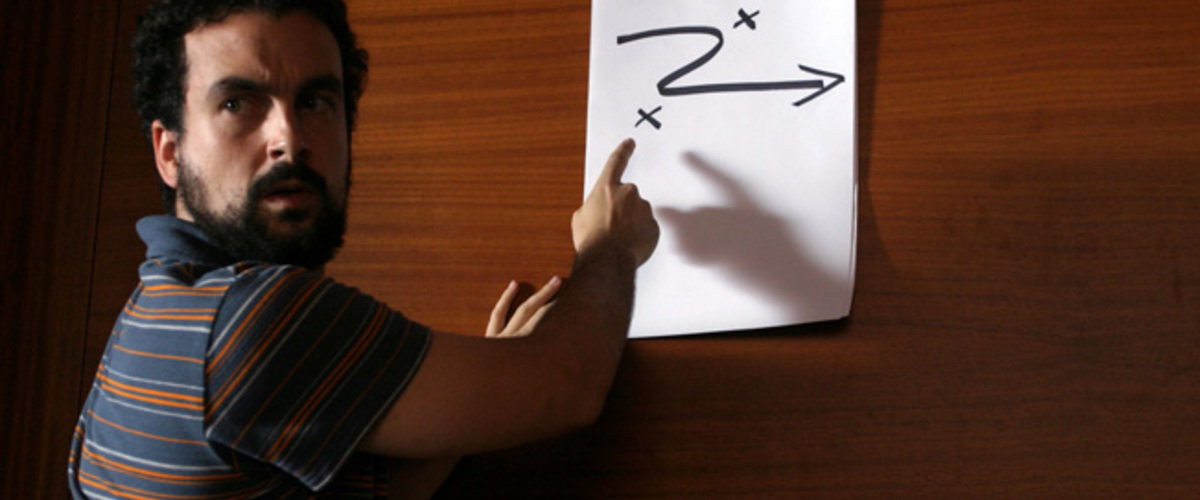
 European Film (2019)